admin
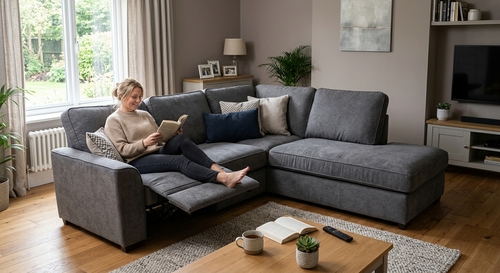
A corner sofa is often the centrepiece of a living room, so it pays to choose carefully. It shapes how a space flows, how many people can sit comfortably, and how easy the room is to move around in. Before focusing on colour or fabric, it helps to think about the room itself and how the household really uses it.
The first question is orientation. A left-hand or right-hand facing corner is defined by the side the longer section sits on when you look at the sofa from the front. Getting this wrong is the most common mistake, because a corner that points into a doorway or blocks a radiator undermines the whole layout. Measuring the alcove, the walkways and the door swing before buying saves a lot of regret.
Size and seating come next. A compact corner suits a snug or a flat, while a large L-shaped or U-shaped model works in an open-plan room where several people gather. It is worth leaving room to walk behind or beside the sofa rather than pushing it tight against two walls, which can make a room feel smaller than it is.
Fabric and colour then follow function. Hard-wearing weaves and darker tones cope better with children and pets, while lighter linens and velvets feel more refined in a calm, low-traffic room. Removable, washable covers are a practical touch that many shoppers overlook until the first spill.
Delivery and aftercare are easy to overlook but shape the whole experience. A corner sofa is heavy and often arrives in sections, so it helps to confirm that it will fit through the front door and around any tight turns before ordering. Once in place, a quick monthly vacuum of the seats and a prompt response to spills keeps the fabric looking fresh for years rather than months.
Materials deserve a closer look, because a corner sofa is a long-term purchase. Frame quality decides how long it holds its shape, and a kiln-dried hardwood frame will outlast cheaper alternatives that can loosen over time. Seat fillings range from firm foam, which keeps a crisp line, to feather and fibre blends that feel softer but need regular plumping to look their best.
Modular designs are worth considering where needs may change. A sofa made of separate sections can be rearranged if you move house or change the layout, and some ranges let you add pieces later. For a household that expects to move or grow, this flexibility can matter as much as the first-day look, and it often makes a large piece easier to carry through narrow hallways.
Styling is the final layer. Cushions, throws and a well-placed rug can lift a plain corner sofa and tie it to the rest of the room without a large outlay. Keeping the sofa itself in a calm, neutral tone and adding colour through accessories is a reliable approach, since accessories are cheap to swap when tastes shift while the sofa stays the anchor of the room.
Budget is the last piece of the puzzle, and it rewards a little planning. A corner sofa is used every single day, often for years, so the cheapest option is rarely the best value once comfort and durability are taken into account. That said, there are well-made models at sensible prices, and buying a sofa alongside other pieces from the same place can simplify delivery and keep the look of a room consistent. Setting a realistic figure before browsing helps narrow the choice and avoids being swayed by extras that add cost without adding comfort.
For buyers who want to compare shapes, sizes and finishes in one place, the range of corner sofas is a useful starting point, with clear dimensions listed for each model. Taking the time to match the sofa to the room, rather than the other way round, is what makes the difference between a piece that merely fits and one that feels right. For the full catalogue of sofas, beds and dining furniture, HomeDetail is worth a look before making a final decision.