admin
admin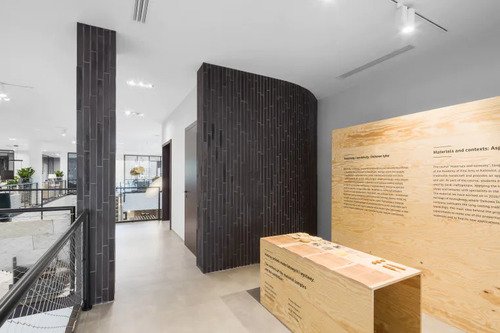
Choosing the right facade material is one of the most important decisions in any construction or renovation project. The exterior finish of a building must withstand decades of weather exposure, maintain its aesthetic appeal without constant maintenance, and contribute to the building’s overall value. Clinker bricks have been meeting these requirements for centuries – and modern production methods have only made them better.
What Are Clinker Bricks and How Are They Made?
Clinker bricks are ceramic materials fired at extremely high temperatures, typically above 1000 degrees Celsius. This intense firing process creates a dense, virtually non-porous product with physical properties that set it apart from standard ceramic bricks. The raw material – carefully selected clays – undergoes complete vitrification during firing, resulting in minimal water absorption and exceptional mechanical strength.
Unlike materials where color is applied as a surface coating, the color of clinker bricks runs throughout the entire body of the material. This means the facade cannot fade, peel, or require repainting – what you see on installation day is what the building will look like in fifty years, perhaps with a more refined patina that only adds to its character.
Key Properties That Make Clinker a Premium Facade Material
Clinker bricks combine properties that are rarely found together in a single building product. The most significant advantages include:
- exceptionally low water absorption – clinker does not absorb moisture, eliminating frost damage and efflorescence
- high resistance to mechanical impact, scratching and abrasion
- permanent color stability without painting, sealing or impregnation
- resistance to pollution, urban grime and biological growth
- frost resistance confirmed across hundreds of freeze-thaw cycles
- natural, authentic appearance that ages gracefully rather than deteriorating
A properly installed clinker facade is expected to last for the lifetime of the building – many clinker-clad structures built over a hundred years ago remain in excellent condition today without significant restoration work.
Clinker vs. Other Facade Materials
The facade material market offers many alternatives – silicone renders, composite cladding, fiber cement panels, and natural stone. Each has its place, but clinker stands apart in several important ways.
Compared to renders and plasters, clinker offers dramatically higher resistance to impact damage and does not require recoating every few years. Against natural stone, clinker is lighter, easier to handle and install, and more consistent in its properties. Composite materials can replicate the look of brick, but they cannot reproduce the natural texture, depth of color, and tactile quality that genuine ceramic material provides.
For investors thinking in terms of the building’s full lifecycle, clinker typically proves more economical over time – the higher upfront material and installation cost is offset by decades without maintenance, while cheaper alternatives require regular, costly renovation cycles.
Applications and Architectural Versatility
Clinker bricks are used across a wide range of building types and architectural styles. Common applications include:
- residential buildings from single-family homes to multi-unit developments
- commercial and office buildings requiring a durable, professional appearance
- public facilities including schools, cultural institutions and municipal buildings
- historic renovations where clinker matches the character of original masonry
- contemporary minimalist architecture where natural texture contrasts with clean geometric forms
The versatility of clinker extends to its available formats, colors and surface textures. From smooth, precisely cut bricks in cool greys and warm reds, to hand-moulded rustic formats with deliberately irregular surfaces – the range of options allows clinker to serve both traditional and highly contemporary design languages.
Why Specify Clinker for Your Next Project?
Architects and developers who specify clinker on a project do so knowing that the facade will not become a maintenance problem or an aesthetic liability in ten years’ time. The material performs as expected, looks as intended, and contributes to the building’s long-term value rather than detracting from it.
King Klinker offers a comprehensive range of clinker bricks for facade applications, serving architects, developers and individual investors with products suited to both new construction and renovation projects.