admin
Every online store needs packaging that is light, quick to use and strong enough to survive the journey. For clothing, textiles and many other products that do not need cushioning, poly mailers have become the default choice. They are cheap to store, fast to seal and keep parcels flat. Yet quality varies considerably from one product to another, and the film used makes a big difference. This article explains what co-extrusion means, which properties matter in daily dispatch and how to pick the right bag for your range.
What are poly mailers?
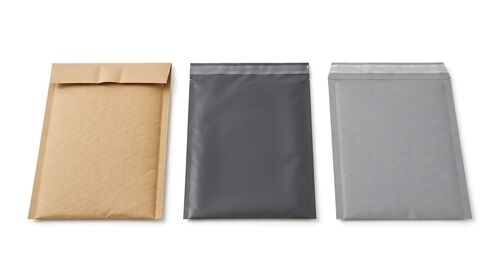
A poly mailer is a shipping bag made of plastic film, usually polyethylene, with a self-adhesive strip for closing. It is waterproof, resists dirt and weighs very little, so it adds almost nothing to the shipping weight. An empty bag takes up very little space in the warehouse, and the finished parcel stays flat, which helps with handling and keeps carrier charges down. For sellers who ship many orders a day, these small advantages add up quickly.
What co-extrusion changes
In co-extrusion, several layers of film are produced together in a single process and bonded firmly to each other. Each layer can do a different job: the outer one gives a clean appearance and takes printing well, while the inner one provides opacity and strength. Compared with single-layer film, this construction offers better resistance to tearing and puncture without making the bag unnecessarily heavy. That matters for heavier items and for parcels that pass through automated sorting, where they are stacked, tipped and pushed along conveyors.
Which products suit poly mailers?
Poly mailers are best suited to goods that do not require additional cushioning: clothing, underwear, textiles, printed materials, small accessories and similar flat items. For fashion e-commerce, where light weight and low shipping cost count for a lot, they are often the first choice. Among the options from Filmar Group are co-extruded poly mailer bags designed for everyday e-commerce dispatch. Fragile or sharp-edged products, on the other hand, call for padded envelopes or other protective packaging.
Choosing thickness and size
The thickness of the film should match the weight and character of the product. Light garments or accessories generally do not need very thick film, whereas heavier or more angular items do. Size is just as important. The bag should be slightly larger than the product so that it can be inserted without effort, but not so large that the goods slide around. An oversized bag wastes material, and a bag that is too small risks split seams. It is worth checking the manufacturer’s guidance on maximum load and, where possible, testing a few sizes before placing a larger order.
Branding and printing
The mailer is the first thing a customer sees when a parcel arrives, which is why many brands choose printed bags featuring a logo, brand colours or a short message. A branded bag reinforces recognition and creates a consistent image without adding any step to the packing process. When ordering printed bags, check the minimum order quantity and lead time, which depend on the manufacturer, and agree on them before the order is placed.
Cost, stock and sustainability
For regular shipping it makes sense to buy in larger quantities, ideally from a manufacturer that can guarantee consistent quality and availability. The unit price usually falls, and fewer orders are needed. Limiting the number of sizes in use simplifies stock control and speeds up packing, and a safety stock helps during peak weeks. On sustainability, film made from a single type of plastic is generally easier to recycle than materials combining several, and recycled content is another criterion worth asking about. Suppliers should be able to back such claims with documentation.
Summary
When choosing poly mailers, look at the construction of the film, its thickness, the size and any printing. Co-extruded bags offer better resistance to tearing, and printed versions strengthen the brand. Standardising sizes and working with one manufacturer simplify logistics and help to keep costs under control.