admin
admin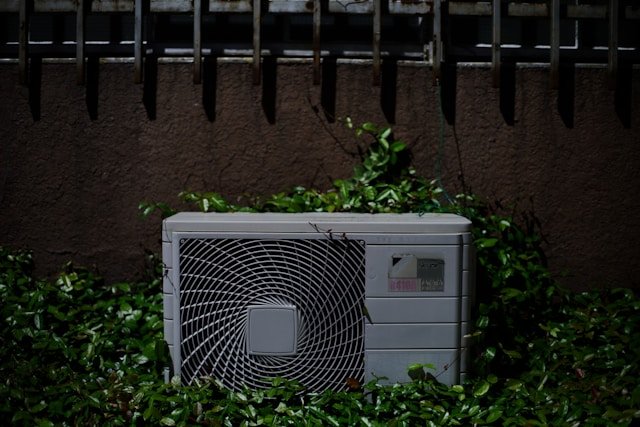
If you’ve finally made the jump to green energy and swapped out the old gas guzzler for a sleek new system you should pay attention to all the details. It feels great for the planet and your conscience, but the unit may be making weird sounds, your toes can still be freezing, and your electricity bill can look like a phone number.
Most of the time, the tech itself isn’t actually broken, it’s just been set up by someone who had no business touching a refrigerant line. When it comes to air source heat pump repairs, a huge chunk of the issues we see in London homes could have been totally avoided if the initial installation hadn’t been a complete rush job.
The Nightmare of Underpowered Units in Oversized Rooms
One of the biggest blunders happens before a single bolt is even tightened: the heat loss calculation. If your installer just “eyeballed” it instead of doing a proper room-by-room survey, you’re in for a rough time. An undersized unit has to work double-time to keep up with a drafty Victorian terrace, leading to massive wear and tear on the compressor. This constant “cycling” on and off is a fast track to needing specialized air source heat pump repair services way before the ten-year mark. It’s like trying to run a marathon in flip-flops; sure, you’re moving, but something is going to break pretty quickly.
Where to Install the Outdoor Unit
It’s tempting to tuck the outdoor unit away in a hidden corner or a tight alleyway where you don’t have to look at it, but that’s a recipe for disaster. These machines need to breathe, and if they’re boxed in by fences or placed in a spot with zero airflow, they end up recirculating their own cold air. This drops the efficiency through the floor and forces the system to go into “defrost mode” way more often than it should. When the airflow is choked, the internal components overheat, and suddenly you’re calling an engineer for urgent air source heat pump repairs because the fan motor has simply given up the ghost.
Bad Electrical Wiring and the Silent Controller Failures
We live in a world of smart tech, and heat pumps are basically giant computers sitting outside your house. If the wiring isn’t up to scratch or the sensors are placed in the wrong spots, the “brain” of the unit gets totally confused. We often see systems where the outdoor sensor is placed in direct sunlight, telling the pump it’s a balmy summer day when it’s actually freezing outside. This leads to the system under-heating your water and causing internal errors that can be a nightmare to diagnose. Proper commissioning is half the battle, and skipping the final checks is the easiest way to ensure a breakdown within the first year.
Getting the Refrigerant Levels Just Right
Modern heat pumps rely on a very specific amount of refrigerant gas to move heat from the outside air into your home. If your installer was a bit sloppy and left even a tiny leak, or didn’t charge the system correctly from the start, the efficiency will tank instantly. You’ll notice the unit running for hours on end without actually making the house feel warm, which is a massive drain on your wallet. Low refrigerant levels cause the compressor to overheat and eventually seize up entirely, turning a simple installation oversight into a massive, expensive mechanical disaster that could have been caught with a simple pressure test.
How to Avoid the “Cowboy” Contractor Trap This Winter
The best way to make sure you aren’t stuck without heating in January is to vet your installer like you’re hiring a bodyguard. Make sure they are MCS certified and don’t be afraid to ask for a detailed breakdown of their heat loss calculations. A good engineer will spend hours checking your insulation, window types, and radiator sizes before they even give you a quote. Investing a bit more in a quality installation today is the only real way to dodge those early maintenance headaches and ensure your green energy transition is actually as smooth and “cool” as it’s supposed to be.